
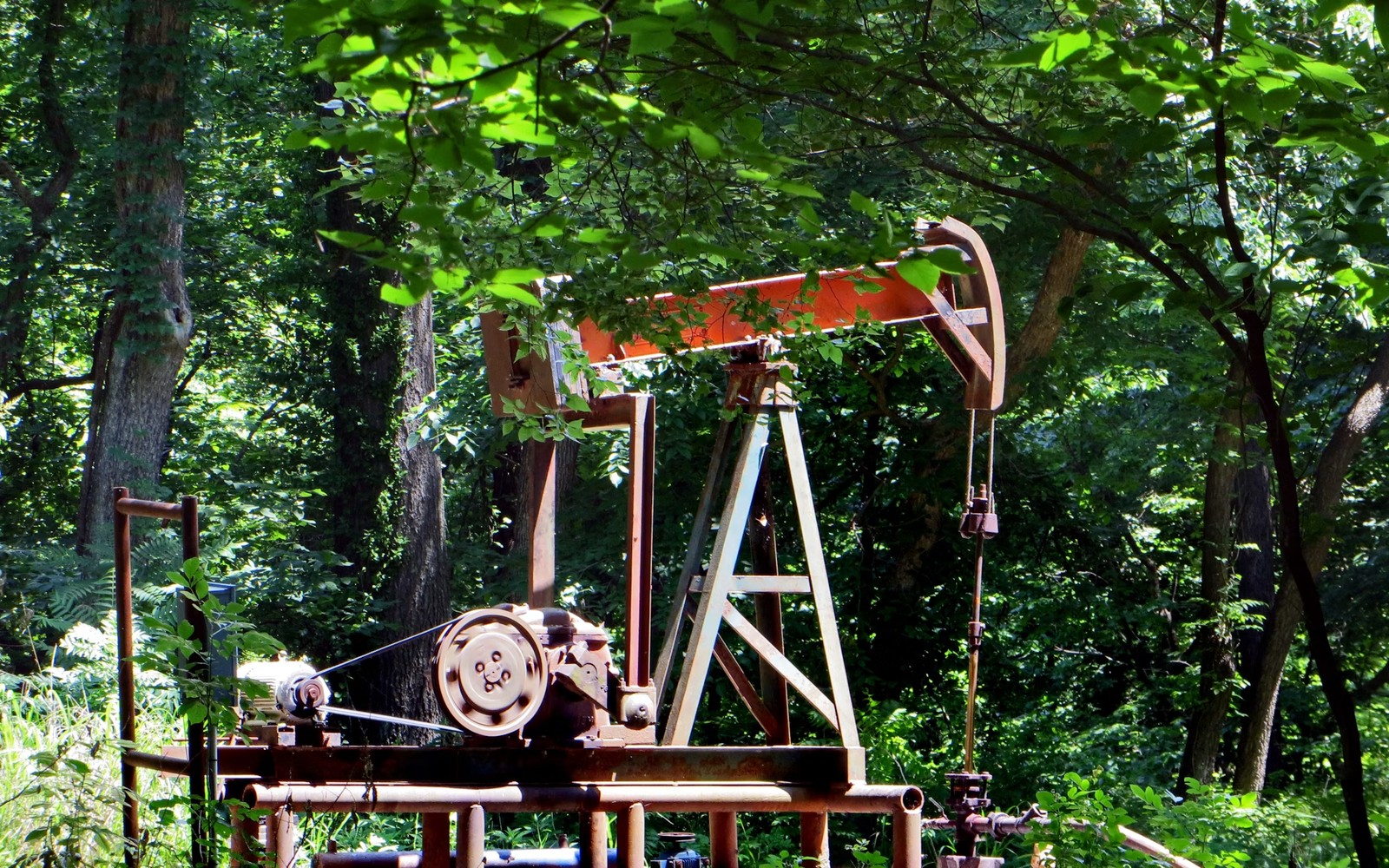
Utica Shale Mineral Rights
In the northern panhandle, the Utica and Point Pleasant sit two thousand feet or more below the Marcellus, and whether your paperwork reaches that deep is a title question, not a geology question.
The Utica Shale and the underlying Point Pleasant limestone are best known as an Ohio play, but the formation extends across the state line into West Virginia's northern panhandle counties, principally Marshall, Wetzel, Tyler and Doddridge. Development there has been slower and more selective than in Ohio, with operators drilling deep Utica tests as a secondary target beneath acreage already held by Marcellus production.
Because most West Virginia panhandle tracts were leased for Marcellus first, the question we work through with owners is whether that same lease's granting clause reaches the deeper Utica and Point Pleasant zones, or whether a separate deep-rights lease is needed before anyone can drill or pay you on that horizon.
A deeper target stacked under existing Marcellus leasehold
Most West Virginia Utica activity has come from operators who already held Marcellus rights in Marshall and Wetzel counties and tested the deeper section from existing pad locations. Point Pleasant depths in the panhandle run well past 10,000 feet, meaningfully deeper and more expensive to drill than the overlying Marcellus, which is part of why development has stayed concentrated in a narrow band rather than spreading county-wide the way Marcellus drilling did.
For an owner, that means a tract can carry an active, producing Marcellus lease while the Utica underneath it remains entirely unleased or covered by a lease whose depth language is ambiguous. We read the granting clause specifically for 'all depths' or 'all formations' language versus a depth-limited grant before assuming the two zones are tied together.
Older leases and depth severance in the panhandle
Some panhandle leases signed during the early Marcellus rush were drafted with narrower depth language than became standard later, occasionally limiting the grant to a specific formation or a stated depth. If your family's original lease predates 2010, it's worth confirming what depths it actually covers before assuming a Utica test on the same pad automatically pays you under the same terms as the Marcellus.
We've also seen tracts where the mineral estate itself was severed by depth generations ago, coal-era deeds sometimes carved out oil and gas to a stated depth rather than the full mineral column, which is a separate issue from lease coverage and has to be traced through the recorded chain of title at the county clerk's office.
What Point Pleasant activity does to fractional interest value
Where operators have confirmed productive Point Pleasant results near your tract, that changes how a buyer thinks about acreage that otherwise looks unremarkable on the surface. Even a small, fractional interest inherited through several generations of heirs can carry meaningfully different value depending on whether it sits inside a Marshall or Wetzel County unit with confirmed deep results versus acreage further south or west where no Utica test has been drilled nearby.
We price against recent activity and recorded permits in your specific unit rather than county-wide averages, because Utica development in West Virginia is concentrated enough that being a few miles outside the active band matters.
Confirming what you actually own before any offer
Before we quote a West Virginia Utica or Point Pleasant interest, we want the original severance deed if it's available, the current lease if one exists, and your most recent division order or royalty statement. That combination tells us whether you're dealing with a full mineral estate, a depth-limited interest, or a small undivided fraction split among heirs, and each of those changes the number.
Resolve the Title Question Before the Conveyance Is Written
Each answer points back to a county instrument, severance clause, heirship record, paid line, unit record, production record, or written term that can be checked.
Is the Utica the same lease as my Marcellus lease?
Not necessarily. It depends on the granting clause in your original lease. Some cover all depths and formations, others were written narrower. We check the recorded lease language before assuming both zones are covered.
Where in West Virginia is Utica activity actually happening?
Development has been concentrated in the northern panhandle, primarily Marshall, Wetzel and parts of Tyler and Doddridge counties, generally from pads that already hold Marcellus production. Activity outside that band has been limited.
My mineral rights are unleased for the Utica but leased for the Marcellus. Can I still sell?
Yes. We can value the leased Marcellus interest and the unleased deeper rights separately, since they carry different risk and timeline until a buyer or operator confirms what's underneath.
How deep is the Point Pleasant in the panhandle?
It typically runs past 10,000 feet in the areas being tested, considerably deeper than the overlying Marcellus, which is one reason drilling costs and pace have differed between the two zones.
What documents speed up a Utica interest sale?
Your original severance deed if you have it, any lease covering the tract, and a recent division order or royalty statement showing the current operator and decimal. Those let us confirm depth coverage without a slow courthouse search on our side alone.
Carry the Same Tract Into the Next Review
Keep the same county book, severance language, ownership fraction, paid decimal, and open record question in view while moving through these related records.
Open the Complete West Virginia Record IndexMarcellus Shale Mineral Rights
West Virginia Marcellus owners in Doddridge, Harrison, Marshall, Wetzel and Tyler counties: get your abstract reviewed and a benchmarked offer before you sign anything.
How to Sell Mineral Rights
A step-by-step look at how a West Virginia mineral rights sale actually proceeds, from title review through closing and recording.
What Are Mineral Rights Worth?
What actually drives the value of West Virginia mineral rights, from production history and play position to title clarity and lease terms.
Sell Mineral Rights West Virginia
Put This Interest on the Closing Abstract
Share the West Virginia county, owner name, interest type, producing status, and the decision that needs a clearer answer.