
Sell Mineral Rights in Wetzel County, WV
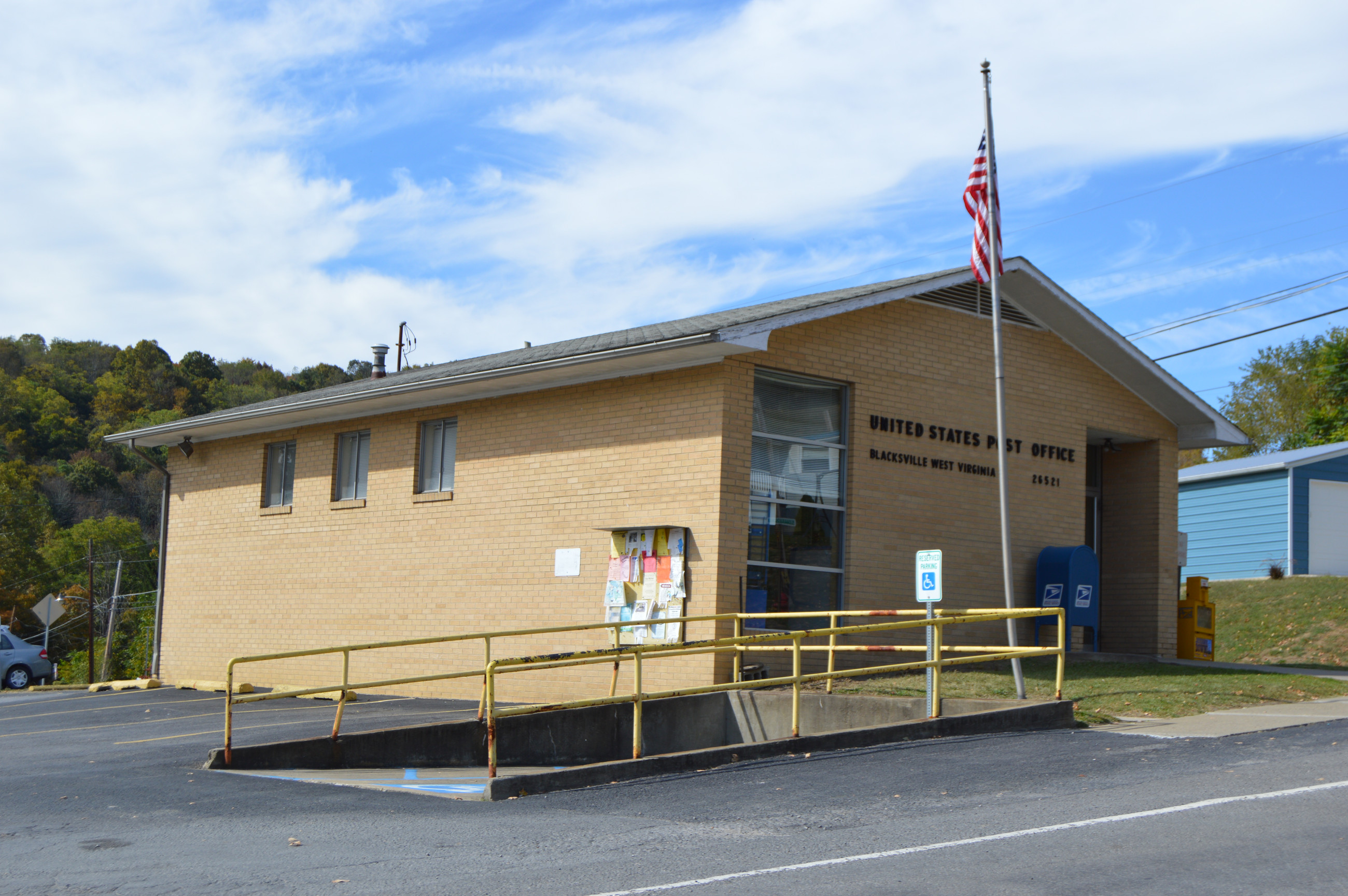
Regional West Virginia view: Blacksville, West Virginia.
Wetzel County has more producing wells packed into it than almost anywhere else in West Virginia, which means the deed book in New Martinsville is doing more work per page than most county records in the state.
New Martinsville is the Wetzel County seat, and its courthouse holds the record for a mineral estate that has been leased, drilled, re-leased, and subdivided by inheritance for well over a hundred years. Legacy shallow gas wells from the Gordon Sand and Big Injun eras sit under the same tracts where modern operators have since drilled long horizontal laterals into the Marcellus and, in places, the deeper Utica and Point Pleasant.
That layered history is exactly why title work in Wetzel County takes real effort. A single tract can carry an old flat-rate lease from the 1950s, a modern horizontal unit agreement from the past decade, and an undivided ownership fraction split among a dozen or more heirs, all at the same time. We trace each of those threads before we put a number on an interest, because getting any one of them wrong changes the value substantially.
New Martinsville and the Wetzel County Courthouse
The Wetzel County Clerk's office in New Martinsville holds the deed book, the fiduciary supervisor's estate index, and the lease record for the entire county, which is where every mineral chain of title in Wetzel County ultimately runs. For a county this heavily drilled, that record has grown thick — decades of severance deeds, oil and gas leases, unit designations, and division orders layered on top of each other.
We pull that record directly rather than relying on a landman's summary or a division order statement alone, because those documents don't always reflect the full ownership picture, especially on tracts where an estate was never formally settled.
One of the Densest Well Counts in West Virginia
Wetzel County sits squarely inside the Marcellus and Utica core, and operators have built out multi-well pads across the county for more than a decade, taking advantage of thick, productive shale that made it one of the state's most active drilling counties from the earliest days of the horizontal boom. Compressor stations, gathering lines, and closely spaced well pads are part of the everyday landscape here in a way they aren't in most other counties.
That density is good news for a mineral owner in one specific sense: a tract in Wetzel County is far more likely to already be part of a producing spacing unit than a comparable tract almost anywhere else in the state. We check unit and production status on every file before quoting a number, because a producing interest and a merely leased one are not worth the same amount.
Legacy Shallow Gas Beneath Modern Laterals
Long before Marcellus horizontals arrived, Wetzel County had a working shallow gas industry built on the Gordon Sand and Big Injun horizons, with wells drilled on family farms going back generations. Many of those old wells are still on the books, some still producing a trickle, some plugged decades ago with paperwork that was never fully cleaned up in the county record.
Modern horizontal wells often sit on the same tracts as those old shallow wells, sometimes drilled by a different operator under a different lease altogether. Sorting out which lease actually governs a given tract today, and which one has lapsed or been superseded, is routine work for us here.
Flat-Rate Leases Still Being Converted
Because so many Wetzel County leases date back to the shallow-well era, a meaningful number of tracts are still nominally bound by flat-rate agreements that predate the state's current royalty framework. West Virginia law generally requires those leases to convert to at least a 1/8 royalty once a well covered by the statute begins producing, but that conversion doesn't happen automatically — it depends on the lease language, the well history, and whether anyone ever formally updated the record.
We've found Wetzel County owners still collecting a decades-old flat annual payment on a tract where a modern horizontal well has been producing for years nearby. Checking whether a conversion should have happened, and whether it actually did, is one of the first things we do on every file.
Heirship Fragmentation in Wetzel County
Wetzel County's long production history means its minerals have been worth something for a long time, which has given families more generations to split, gift, and inherit fractional interests than in counties where the mineral estate only recently became valuable. It's common for us to find a single tract with ten, fifteen, or more heirs holding small undivided fractions, several of whom live outside West Virginia and have no idea a well is producing on land their grandparents once farmed.
Unprobated estates are part of this picture too — an owner passes without a will, or with a will that was never taken through fiduciary supervisor proceedings, and the interest sits in a kind of legal limbo for a generation or more until someone finally sorts it out. We do that sorting as part of every purchase, and we buy directly from individual heirs without requiring the rest of the family to act together.
Resolve the Title Question Before the Conveyance Is Written
Each answer points back to a county instrument, severance clause, heirship record, paid line, unit record, production record, or written term that can be checked.
Why is Wetzel County different from other West Virginia counties for mineral title work?
The combination of a long shallow-gas history and over a decade of dense modern horizontal drilling means many Wetzel County tracts carry layered lease and ownership history. We trace the full chain rather than relying on a single recent document.
How do I know if my Wetzel County interest is part of a currently producing unit?
We check the county record along with relevant permit and unit filings to confirm whether your specific tract is included in a producing or permitted spacing unit before we make an offer.
My family's lease is a decades-old flat-rate agreement. Should it have converted to a royalty by now?
If a well covered by the statute is producing under a unit that includes your tract, West Virginia's 1/8 royalty floor generally applies and the lease should have converted. We verify this against the actual well and lease record before valuing your interest.
The estate that should own our family's minerals was never formally settled. Can you still buy our share?
Yes. Unprobated and partially settled estates are common in Wetzel County, and we regularly work through that history as part of confirming an heir's individual interest.
Do I need to get my whole extended family to agree before I can sell my share?
No. We buy individual undivided fractional interests directly from a single heir, and the rest of the family's ownership isn't something you need to coordinate first.
Carry the Same Tract Into the Next Review
Keep the same county book, severance language, ownership fraction, paid decimal, and open record question in view while moving through these related records.
Open the Complete West Virginia Record IndexSell Mineral Rights in Moundsville, WV
Moundsville, Marshall County minerals: county-seat courthouse access, dense Marcellus/Utica units, and stacked-pay royalty questions.
Sell Mineral Rights in Marshall County, WV
Marshall County minerals sit in Marcellus/Utica core acreage near Moundsville — dense horizontal units, spacing questions, and multi-generation heir splits.
Sell Mineral Rights in Fairmont, WV
Fairmont, WV is Marion County's seat and its coal-and-gas courthouse record. We buy mineral rights, heir shares, and old flat-rate leases here directly.
Sell Mineral Rights West Virginia
Put This Interest on the Closing Abstract
Share the West Virginia county, owner name, interest type, producing status, and the decision that needs a clearer answer.