
Sell Mineral Rights in Brooke County, WV
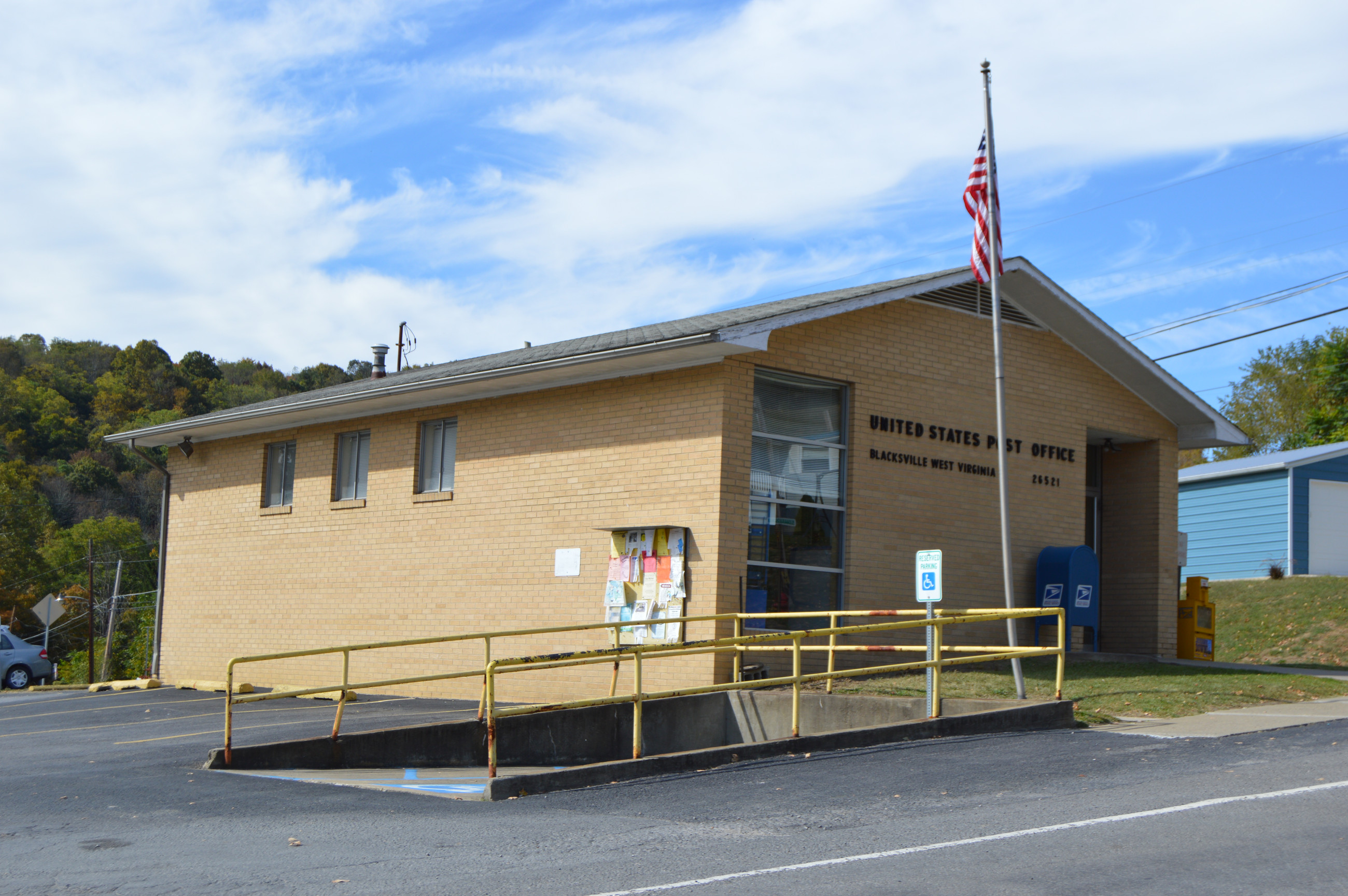
Regional West Virginia view: Blacksville, West Virginia.
Brooke County is the narrowest county in West Virginia, a thin strip of the Northern Panhandle running along the Ohio River, and its mineral ownership record is exactly as tightly wound as its geography.
The county seat, Wellsburg, holds a deed and lease record that goes back well over a century, layered with the industrial history of the river towns, Follansbee's steel mill, Weirton just to the north, and the farmland that fills in behind them toward the Pennsylvania line. Most of Brooke County's mineral wealth sits in that layering: shallow production going back generations, and deeper Utica and Point Pleasant leasing that arrived with modern horizontal drilling.
We buy oil and gas mineral and royalty interests throughout Brooke County directly, and because so much of this county's ownership is fractional and multigenerational, we do the courthouse work before naming a number rather than after.
Geography that shaped the tracts
Brooke County's shape, barely a few miles wide in places, meant early land grants and farm surveys ran as long, narrow strips from the Ohio River back into the hills. That history still shows up in modern deed descriptions, and it means mineral tracts here often don't map cleanly onto square-mile spacing units the way tracts do in wider counties.
Towns along the river, Beech Bottom, Follansbee, Wellsburg, Colliers, and Hooverson Heights, grew up around steel and glass manufacturing, while the interior around Bethany stayed agricultural. Both histories produced mineral owners: industrial workers who bought small farm parcels, and farming families who leased their acreage decades before anyone drilled a well of consequence on it.
Deep rights and the Utica/Point Pleasant push
The Northern Panhandle sits over some of the thickest, most productive Utica and Point Pleasant rock in the entire play, and Brooke County has drawn real leasing interest aimed specifically at those deep zones over the last decade and a half. Where that happened, it's common to find a tract carrying two separate leases: an old shallow-well lease from the twentieth century, still technically in force, and a newer lease or unit order covering deep rights only.
That layering means a single Brooke County mineral owner can be owed royalty from two entirely different operators on two entirely different payment schedules, under two sets of lease terms. We read both instruments before making an offer, because treating them as one lease produces the wrong number.
Flat-rate leases and the conversion statute
West Virginia requires flat-rate gas leases, ones that pay a fixed annual sum per well instead of a royalty percentage, to convert to a statutory minimum of one-eighth of production value. That conversion doesn't happen automatically; it depends on the lease being flagged and the operator applying it. Brooke County has plenty of legacy leases from the early and mid-twentieth century that were never revisited, and heirs sometimes keep receiving the same modest flat payment their grandparents negotiated. Before we price an interest under an older lease, we check whether it qualifies for conversion, because that materially changes what the interest is worth going forward.
Heirship fragmentation across the county
Brooke County mineral tracts have split the same way most of Appalachia's have: through inheritance across three, four, sometimes five generations, without formal partition of the mineral estate. A tract that started as one family's farm can now carry a dozen or more record owners, several deceased without a probated will, several more living well outside West Virginia and unaware their name is still attached to a working interest.
We buy individual heir shares and fractional interests without requiring every co-owner to agree or sell together, and we handle the title curative work, tracing wills, intestate succession, and prior deeds, ourselves as part of the purchase.
Resolve the Title Question Before the Conveyance Is Written
Each answer points back to a county instrument, severance clause, heirship record, paid line, unit record, production record, or written term that can be checked.
How do I find out if my Brooke County mineral rights are leased?
The Brooke County Clerk's office in Wellsburg maintains the recorded deed and lease books. We check the current record for your specific tract as part of evaluating your interest.
Can I have both a shallow-well lease and a deep-rights lease on the same tract?
Yes, that's common in the Northern Panhandle. We review both instruments separately since they can carry different royalty terms and different operators.
My grandparents' lease pays a flat yearly amount. Is that normal?
It was standard decades ago. West Virginia law sets a minimum one-eighth royalty for flat-rate leases upon conversion, but the conversion has to actually be applied. We check whether your lease qualifies.
There are several heirs on my family's mineral interest. Do we all have to sell together?
No. We can typically purchase an individual heir's undivided share without requiring the other owners to participate.
What does the process look like once I decide to sell?
We confirm your chain of title, check current lease and unit status, and present an offer based on those specifics. If you accept, we handle the closing paperwork and recording with the Brooke County Clerk.
Carry the Same Tract Into the Next Review
Keep the same county book, severance language, ownership fraction, paid decimal, and open record question in view while moving through these related records.
Open the Complete West Virginia Record IndexSell Mineral Rights in Anmoore, WV
Own mineral acreage under Anmoore, WV? We buy Harrison County mineral rights tied to old family tracts and flat-rate leases. Free title review, no obligation.
Sell Mineral Rights in Auburn, WV
Auburn, WV mineral owner sitting on old Ritchie County oil paper or a Marcellus lease? We buy fractional interests, heir shares, and flat-rate leases directly.
Sell Mineral Rights in Barrackville, WV
Marion County mineral owner near Barrackville? We buy coal-era severed mineral interests and gas royalty tied to old family land, with a real title check first.
Sell Mineral Rights West Virginia
Put This Interest on the Closing Abstract
Share the West Virginia county, owner name, interest type, producing status, and the decision that needs a clearer answer.