
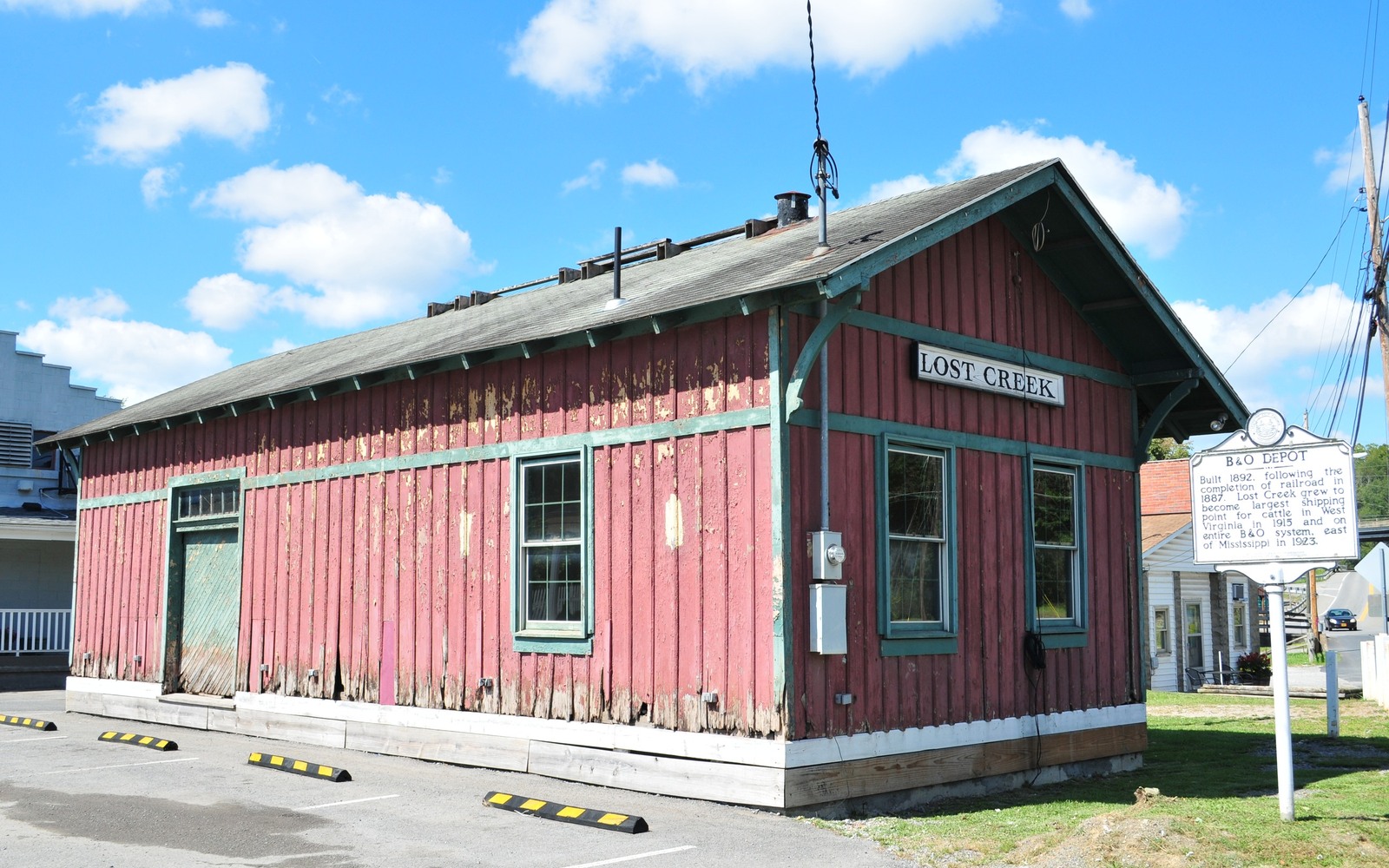
Sell Mineral Rights in Lost Creek, WV
Lost Creek is a small Harrison County community where legacy shallow gas production and newer Marcellus activity both touch the surrounding farmland.
Harrison County has a long production history that predates modern horizontal drilling by decades, and Lost Creek's rural acreage carries some of that legacy — older wellbores drilled under leases signed well before the Marcellus era, alongside newer development pushing in from more active parts of the county.
Legacy production and older lease terms
Wells around Lost Creek that predate the Marcellus boom were often leased under terms that look very different from a modern agreement — lower royalty percentages, sometimes flat-rate payment structures. If your family's interest is under one of these older leases, it's worth checking whether the terms reflect current West Virginia law or whether a conversion is available.
Family-farm heirship near Lost Creek
As with much of rural Harrison County, mineral interests around Lost Creek have typically stayed within the same families for generations, splitting further with each inheritance. A tract that started as one owner's interest a century ago can now be divided among a dozen or more descendants, some local and some scattered well outside the county.
How a courthouse title check narrows down what you actually hold
For a family tract near Lost Creek that's changed hands informally across generations, a title check starts with the earliest recorded severance and works forward through every subsequent conveyance, lease, and probate filing. The result is a clear percentage figure rather than a rough family estimate of what 'your share' amounts to.
This matters most when a well is newly permitted nearby: a confirmed percentage lets you evaluate an offer — whether from an operator wanting to lease or a buyer wanting to purchase the interest outright — against an actual number instead of a guess.
Resolve the Title Question Before the Conveyance Is Written
Each answer points back to a county instrument, severance clause, heirship record, paid line, unit record, production record, or written term that can be checked.
Is my Lost Creek lease paying a flat rate or a royalty?
Check the payment clause on your original lease or division order. Flat-rate arrangements were common on older Harrison County leases and can often be converted to a royalty basis under state law.
How many heirs typically share an old Lost Creek family tract?
It varies, but interests split across five to ten or more living heirs after multiple generations are common in this area.
Where are the records for my Lost Creek mineral interest filed?
At the Harrison County Courthouse in Clarksburg, which holds the deed, will, and lease books needed to trace your chain of title.
Do I need to wait for a new well to be permitted before checking my title?
No, it's worth confirming your ownership percentage regardless of current drilling activity so you're prepared either way.
Carry the Same Tract Into the Next Review
Keep the same county book, severance language, ownership fraction, paid decimal, and open record question in view while moving through these related records.
Open the Complete West Virginia Record IndexSell Mineral Rights in Lumberport, WV
Lumberport, Harrison County mineral owners: West Fork River-corridor tracts, legacy wells, and undivided heir interests through the Clarksburg courthouse.
Sell Mineral Rights in Mannington, WV
Mannington, Marion County minerals: Route 250 Marcellus corridor acreage, legacy Big Injun wells, and multi-generation heir title work.
Sell Mineral Rights in McMechen, WV
McMechen, Marshall County mineral owners: dense Marcellus/Utica units near Moundsville, stacked-pay pooling, and multi-generation heir splits.
Sell Mineral Rights West Virginia
Put This Interest on the Closing Abstract
Share the West Virginia county, owner name, interest type, producing status, and the decision that needs a clearer answer.