
Sell Mineral Rights in Ritchie County, WV
Ritchie County's oil history goes back further than almost anywhere else in the state, which means its mineral title record — and its heirship fragmentation — runs deeper too.
Long before Marcellus was a word anyone used, Ritchie County was producing oil at Volcano, one of West Virginia's earliest boom fields, active from the 1860s through the early 1900s. That history left the county with an unusually dense layer of old leases, shallow Big Injun sand wellbores, and deed book entries stretching back more than 150 years.
Modern Marcellus and Utica horizontal activity has reached parts of Ritchie County as operators extended units west from the more active Tyler and Doddridge County core, but a lot of the county's producing history — and a lot of its mineral title complexity — still traces to that first oil boom and the generations of heirs it produced.
The Volcano field and what its history means for title today
Volcano was one of the first major oil fields developed in West Virginia, and the leases and conveyances from that era were recorded using forms and conventions that look nothing like a modern oil and gas lease. Tracing a Ritchie County mineral interest back to its origin sometimes means reading handwritten deed book entries from the 1870s and 1880s — records that exist and are searchable, but require an actual courthouse pull rather than a database search.
Wells drilled in and around the historic field area, and the Big Injun sand formation more broadly across the county, tend to be shallow, low-volume, long-lived producers — very different economics than a modern Marcellus lateral, and valued differently as a result.
Big Injun sand wells and legacy flat-rate leases
Much of Ritchie County's non-Marcellus production comes from Big Injun sand wells drilled over multiple generations of leasing, many under flat-rate arrangements that predate West Virginia's current royalty conventions. As in other legacy-production counties, flat-rate leases here can often be converted to a royalty basis under state law, which changes the value of the underlying interest.
Confirming whether a given well pays flat-rate or royalty — and whether a conversion has already happened — is one of the first things worth checking before valuing a Ritchie County interest.
Five- and six-generation heir fragmentation
Because Ritchie County's oil history started so early, it's common to find original severances from the 1870s-1890s still governing production today, split across five or six generations of descendants. A single original tract can carry thirty or more living heirs, many with no idea they hold an interest until a royalty check — sometimes for a few dollars — arrives unexpectedly, or doesn't arrive at all because the operator has no current address on file.
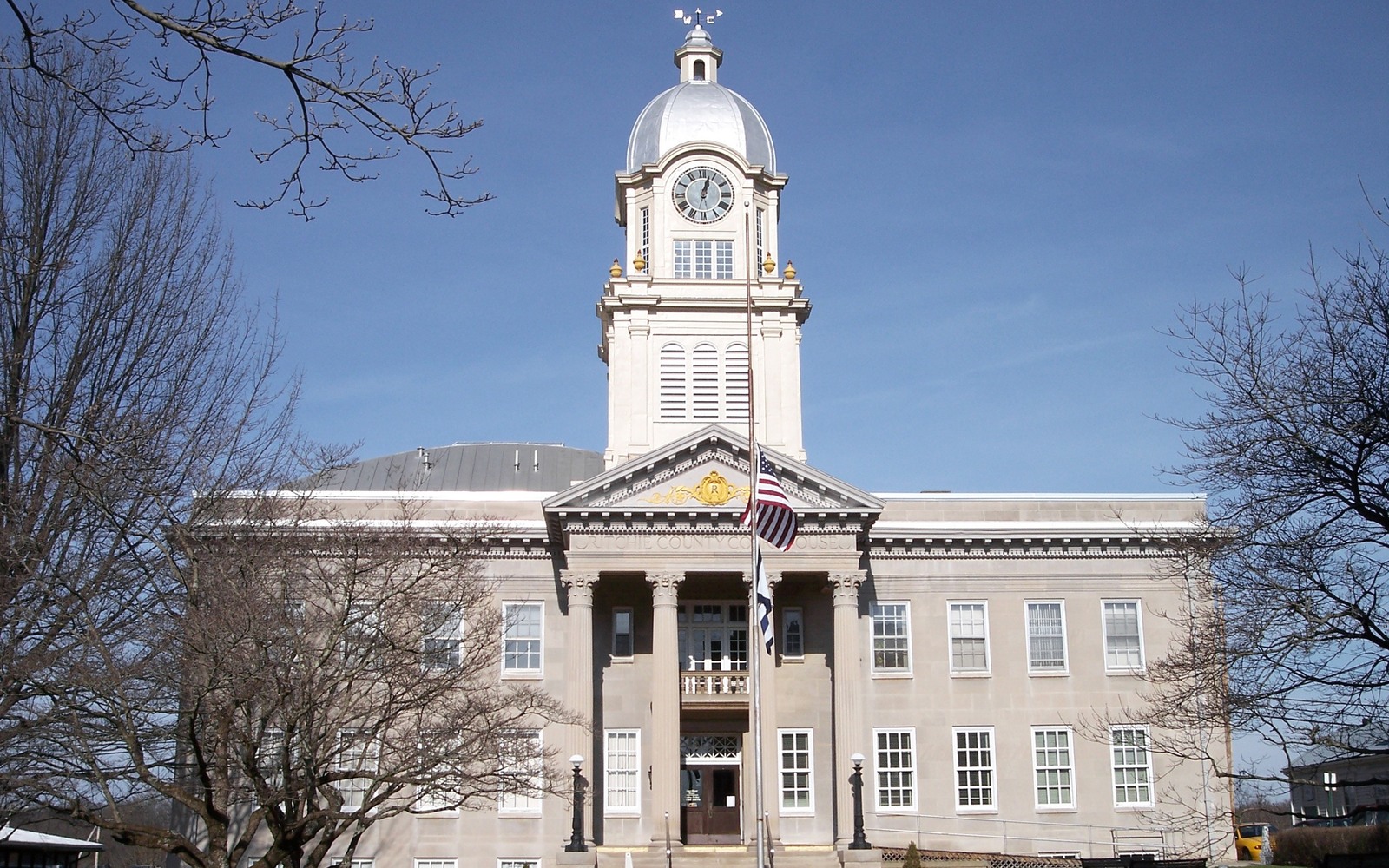
Pennsboro and Pullman, the county's population centers, see plenty of exactly this pattern: small fractional interests, unprobated 19th- and early-20th-century estates, and deed books that require real research at the Ritchie County Courthouse in Harrisville to sort out. We buy individual heir shares directly, which sidesteps the need to track down every living descendant before a sale can close.
Working an unclaimed or dormant Ritchie County interest
Given how many heirs a 19th-century Ritchie County severance can accumulate, it's genuinely common for a percentage of a producing tract to sit unclaimed — royalty payments accruing to an operator's suspense account because no current owner has come forward with documentation. Checking whether a family name has an unclaimed interest tied to it is worth doing alongside a standard courthouse title search, particularly for families who know an ancestor once owned land in the county but lost track of the details.
Recovering a suspended or unclaimed interest and confirming a clean chain of title are related but separate processes, and either can be the first step toward a documented sale once the ownership is established.
Resolve the Title Question Before the Conveyance Is Written
Each answer points back to a county instrument, severance clause, heirship record, paid line, unit record, production record, or written term that can be checked.
How far back does Ritchie County mineral title typically go?
Often to the 1870s-1890s, given the county's early Volcano-field oil history. That's older than most West Virginia counties, and it means more generations of heirs by the time an interest reaches a current owner.
What is Big Injun sand and does it affect my royalty?
It's a shallow oil and gas-bearing formation widely developed across Ritchie County starting in the 19th and early 20th centuries. Wells producing from it are typically low-volume, long-lived, and — for older leases — sometimes still paying flat-rate rather than royalty.
My family has thirty-plus heirs on one old tract — is that normal here?
For Ritchie County, yes. Five- and six-generation fragmentation from 19th-century severances is common, and buying or selling individual heir shares rather than waiting for full family consensus is usually the practical path.
Is there active Marcellus or Utica development in Ritchie County?
Some, generally extending west from the more active core in Tyler and Doddridge counties. It varies significantly by location within the county, so it's worth confirming what's happening specifically on or near your tract.
Does the Ritchie County Courthouse have all its historical oil-era records searchable?
Most deed and will books are preserved and accessible in person, though older 1870s-1890s entries may require working through physical volumes rather than a digital index.
Carry the Same Tract Into the Next Review
Keep the same county book, severance language, ownership fraction, paid decimal, and open record question in view while moving through these related records.
Open the Complete West Virginia Record IndexSell Mineral Rights in Brooke County, WV
Own mineral rights in Brooke County, WV? We buy Northern Panhandle interests tied to Utica leasing and old flat-rate leases, verified at the courthouse first.
Sell Mineral Rights in Anmoore, WV
Own mineral acreage under Anmoore, WV? We buy Harrison County mineral rights tied to old family tracts and flat-rate leases. Free title review, no obligation.
Sell Mineral Rights in Auburn, WV
Auburn, WV mineral owner sitting on old Ritchie County oil paper or a Marcellus lease? We buy fractional interests, heir shares, and flat-rate leases directly.
Sell Mineral Rights West Virginia
Put This Interest on the Closing Abstract
Share the West Virginia county, owner name, interest type, producing status, and the decision that needs a clearer answer.